Stepping into a new training space should feel like standing at the edge of a good challenge. Not a stunt, not a fad, but something that respects your time, pushes your limits, and teaches skills you can actually use. That is the promise of martial arts done well, and it is what draws many Spring, TX residents to explore Condition 1 Combat Center. Whether you found it by searching for condition1combat.com martial arts or a friend nudged you to try a class, the question is the same: will this place help you grow?
I have spent years coaching athletes, parents, and professionals who balance full calendars with the need for something more physical and more focused. What follows is a practical look at how a strong program in Spring can work for you, what to expect from Condition 1 Combat Center martial arts classes, and how to navigate your first weeks so you get real value from the start.
The case for starting in Spring, TX
Spring is not short on gyms or sports options. What it often lacks is instruction that is both technical and personal, a progression that respects beginners and still challenges advanced students, and a culture that feels accountable. When you commit to martial arts Condition 1 Combat Center, you are not buying a treadmill session. You are learning posture under pressure, awareness in crowded spaces, and how to breathe when your heart rate spikes. Coaching matters. Partners matter. Room culture matters. The way classes are built matters most of all.
The good news: a center that focuses on live training and measured progress over gimmicks can work for kids, teens, and adults without turning the mat into chaos. I have seen beginners who arrive nervous end up thriving because the program logic makes sense day to day, not just in marketing copy.
What you can expect from the first visit
Most people think the first class decides everything. It rarely does. The first class simply tells you who is in the room and how the coaches teach. At a strong facility like Condition 1 Combat Center, the first 10 minutes should be clear and structured: a safety briefing, a warm up that looks like the movements you will use later, and a simple way to pair up with partners.
Expect a coach to ask about prior injuries, comfort level with contact, and training goals. Good staff will not hand you a memorized sales pitch. They will watch your footwork, your base, and your reaction to a bit of pressure, then adjust instruction accordingly. That early attention is not fluff. It is risk management and smart pedagogy. If you are seeking condition1combat.com self defense classes, you want a place that screens for safety and context before loading you with scenarios.
A practical note: if you have never gripped a gi, shield, or pair of mitts, you will be clumsy. That is normal. Coordinated people from other sports also trip over stance and distance early. Do not overthink it. Show up hydrated, arrive 10 minutes early, and plan to learn names. The rest will settle in week two.
The structure behind effective self defense
Plenty of programs promise street readiness after a weekend. Real skill has a different shape. The best self defense classes condition1combat.com offers will likely emphasize three layers: base, timing, and decision making. Base is your ability to hold position while someone pushes, pulls, or grabs. Timing is your capacity to apply technique when the window is open, not five seconds later. Decision making is what you do when your plan breaks.
I like to see a class move from solo mechanics to partner drills to short situational rounds. For example, a stand up lesson might start with footwork and guard integrity, then build to pad work, then graduate to controlled clinch entries where both partners work off constrained goals. A ground lesson might practice hip escapes, then add frames, then blend in a scramble to knees and a safe exit. The thread through all of it is clarity: you should know why a movement exists and when to use it.
If you are looking for condition1combat.com self defense classes that actually transfer to real life, ask how they handle context: verbal de escalation, awareness near doorways and curbs, how to position children behind you during a problem. A mat-only curriculum that never mentions these realities is incomplete. At the same time, a class that turns every drill into theatrical role play loses the motor learning you need. The middle ground is where people get capable.
Kids on the mat, attention where it counts
Parents in Spring want two things for their kids: confidence without arrogance, and discipline without dreariness. Condition 1 Combat Center kids martial arts tends to deliver that mix when the class is broken into meaningful segments. I look for warm ups that feel like games but teach balance and breakfalls, technical segments that focus on one or two well chosen skills, and carefully refereed sparring that rewards control, not volume.
Kids do not need long lectures. They need short cues and immediate feedback. In my experience, ages 6 to 9 thrive on quick wins, like mastering a bridge and roll out of mount. Ages 10 to 13 are ready for more strategy, like how to control distance with a jab or how to set a frame against a larger opponent. If you are searching for kids martial arts condition1combat.com with structure and heart, watch a class. You should see lines that move smoothly, coaches who remember names, and a few kids who came in shy now calling partnered reps without being prompted.
Parents sometimes worry about contact. That is healthy. Well run Condition 1 Combat Center kids martial arts classes increase contact gradually and coach consent continuously. No surprises. No rewards for aggression without technique. The payoff is obvious the first time your child takes a tumble on a soccer field and stands up smiling because they know how to fall.
Adult training that respects your schedule and your body
Adults come to the mat with long histories. Some have nagging shoulders, some sit at a desk all day, some run marathons and cannot touch their toes. The right program, like Condition 1 Combat Center adult martial arts training, will build intensity without wrecking you. Warm ups are not punishment. They are preparation. Expect mobility that opens hips and thoracic spine, activation drills for glutes and scapular control, and movement patterns that directly map to the day’s technical work.
A quality striking class might balance technical rounds on mitts with limited sparring that works a single constraint, like body shots only or jab-versus-jab to safeguard heads and wrists. A grappling class might start with positional sparring from half guard or turtle rather than free-for-all rounds. Adults learn fastest with boundaries. They also stay consistent when they know the room will not turn into a brawl at 7 pm on a Tuesday.
If you are filtering search results for adult martial arts training condition1combat.com and wondering how to choose, tour during class hours. Listen for coaching language. You want specific, actionable cues: elbow tight to rib, step outside the lead foot, chin over knee on the hip escape. Avoid spaces where yelling replaces teaching.
The first month blueprint
Training momentum is built, not gifted. The first 30 days decide if your new habit sticks. Aim for two to three sessions per week, back to back days only if you monitor soreness. Pick one primary track to start, striking or grappling, and dabble in the other only once you feel stable. It is better to own 10 moves than juggle 40 poorly.
Keep a tiny notebook in your bag. Write down three things after each class: one technical detail that clicked, one mistake you made, and one question for your next visit. If a coach hears that you are tracking and curious, you will get more guidance without even asking.
A simple training kit to bring on day one
- Water bottle you can open with sweaty hands Small towel Mouthguard in a ventilated case Lightweight rashguard or fitted shirt Flip flops for off-mat movement
Gear does not need to be expensive. Gi or no gi, shin guards or not, gloves weight and brand, these details can wait until a coach sizes you up in person. Spend thoughtfully once, not three times on replacements.
How coaching quality reveals itself
Credentials matter, but how a coach runs the room matters more. Watch how they pair partners. Good coaches mix sizes and skill levels deliberately, not randomly. They give white belts safe challenges and blue belts puzzles they cannot brute force. They correct posture, not just outcomes. They explain why a technique failed without blaming the student. They have a plan on the whiteboard or in their head and pivot only when the room needs it.
During sparring, they circulate and regulate. The best coaches cut off a round early when two newer students start muscling and losing form, then rebuild the drill with constraints. They ask questions rather than give speeches. They demonstrate at full speed once, then slow, then make students demo back. That loop, show and tell and test, is where progress compounds.
Safety, risk, and longevity
Martial arts is physical. Done right, it is also safe. The leading causes of avoidable injury are predictable: ego, mismatched partners, and poor warm ups. A smart program sets bright lines. Head contact is controlled. Tapping is taught, respected, and normalized. Drills scale by experience. Mats are clean, shoes stay off, and fingernails are short. You will know within two sessions if the culture is safety first or chaos-first.
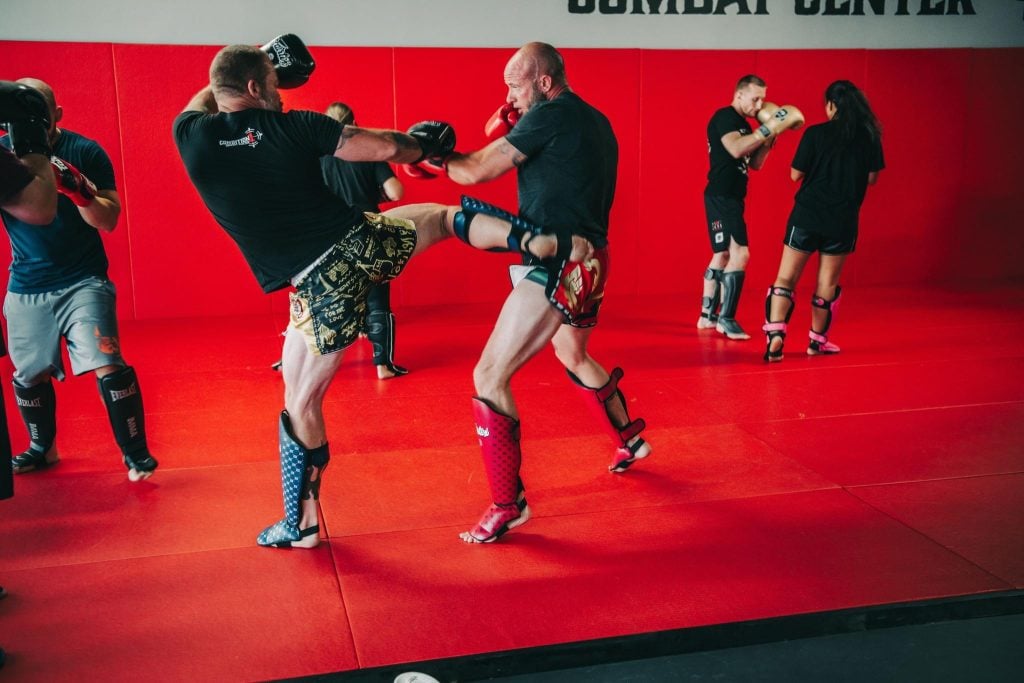
Soreness and mild bruising are normal in the early weeks. Sharp joint pain is not. Numbness or headaches demand attention. Tell a coach quickly. Good staff will not treat caution as weakness. They will swap your drill, change your partner, or move you to tech-only rounds. If you plan to train three days weekly, build a simple recovery stack: hydration, a walk the day after hard rounds, gentle mobility for hips and thoracic spine, and eight hours of sleep. Ice or heat can help depending on the issue, but the habit that moves the needle most is consistent, moderate movement between sessions.
Progress you can count and progress you can feel
Chasing belts or stripes can help with motivation, but the deeper marker is timing. You will notice a change when someone grabs your wrist and you no longer freeze. You will feel it when a larger partner tries to flatten you and your hips respond automatically. You will hear it when your breath stays steady under pressure. Coaches can and should track attendance and skill blocks completed, yet your body will tell you more: less flinching, better posture, calmer eyes.
If the center offers formal ranks, ask how they test. Look for standards that blend technical demonstrations with live situational rounds. Written tests can reinforce vocabulary and rules, but movement under stress is the truth serum. Programs that hand out promotions on a calendar rather than on skill tend to lose serious students fast.
Where self defense meets sport
There is a common debate: do competition skills translate to the street? The best answer is both yes and no, with specifics. Yes, timing, base, and pressure control are universal. No, rule sets remove variables like clothing, striking on the ground, and multiple attackers. A well rounded curriculum, like the martial arts classes Condition 1 Combat Center might offer, borrows intensity from sport and filters it through self defense context. That looks like situational drills near walls, practicing off a verbal start, and training hand fighting when one hand holds a phone or a bag.
For those exploring self defense classes condition1combat.com, ask to see how they handle both exits and finishes. Not every scenario ends with a submission or a knockout. Sometimes the highest percentage play is a shove to create distance and a move toward a safe exit with a child in tow. Mature programs teach restraint as well as assertiveness.

Culture and community, the glue that keeps you coming back
Every strong academy has a healthy middle. Not just champions, not just beginners, but dozens of consistent, supportive training partners. That middle is built by everyday people with jobs and families who choose to show up. Condition 1 Combat Center martial arts classes depend on them as much as any coach does. Look for signs: partners clasp hands after rounds, newer students get invited to drill, and the mats clear quickly for cleaning without being asked. When the vibe is right, retention stays high and skill rises across the board.
Off the mat, a good community respects differences. Some students chase tournaments, others only want to learn how to keep themselves safe, and plenty are there for stress relief. A mature room does not shame either camp. It meets people where they are, then nudges them toward a slightly harder version of themselves.
Parents’ vantage point
From the seating area, a parent sees a different world. Kids who fidget in school hold attention for 45 minutes when the drill is right sized. Shy kids start to call out answers. The reward structure is clear: effort, control, and coachability lead to praise. If you are evaluating kids martial arts Condition 1 Combat Center options, notice the small systems. Are there lines on the mat for spacing or do coaches manage spacing dynamically? Are rules posted simply or woven into class language? Do coaches correct behavior while still protecting a child’s dignity? These cues tell you whether the program builds character while it builds skill.
Many parents appreciate that condition1combat.com kids martial arts includes training that generalizes to other sports. Strong hips and stable shoulders help in soccer, cheer, and baseball. Learning to fall safely is an insurance policy you cannot buy elsewhere.
A realistic look at time, money, and commitment
Budget and time constraints are real. Most adults can make two weekday evenings or one evening plus a weekend morning work. If the center offers a trial week, use it well. Try one striking and one grappling session to see which fits your body and temperament. If pricing tiers include unlimited classes, ask yourself if you will truly use that access. Most people do better with a middle option and a promise to themselves: I will show up three times per week for eight weeks before I reassess.
Equipment costs vary. Start small. Borrow where allowed. When you purchase, get the basics and invest in fit over fashion. For many, a pair of 14 or 16 ounce gloves, a mouthguard, and a well fitting rashguard are enough to begin. Gi training requires different gear and sizing advice that a coach can provide on site.
Five smart questions to ask during a trial class
- How do you scale drills for different experience levels in the same room? What are your safety rules for contact and how do you enforce them? How do you handle students who need lower impact days? What does a typical month of curriculum look like? How do you evaluate progress besides attendance?
The answers will tell you more than a brochure ever could. You are looking for consistency and the willingness to individualize within a group setting.
The long game: why it is worth it
After the novelty fades, what keeps people training? For many, it is the hour where phone screens stay in bags and attention narrows to a partner, a sequence, and a breath. For some, it is the satisfaction of developing a skill that few people possess. Others need a physical outlet that taxes heart, lungs, and mind at once. Adult martial arts training Condition 1 Combat Center can meet any of those needs if you approach it with curiosity and patience.
I have seen a 42 year old accountant drop blood pressure medication after six months of consistent classes and daily walks. I have seen a 10 year old who hated team sports light up when they realized they could invert out of a bad position. I have seen a nurse who started for self defense stay for the friends and the quiet confidence they felt at work.
If you are ready to start
If your search for condition1combat.com martial arts classes brought you here, you already did the hardest part: deciding to step forward. Visit the facility during peak hours so you can see the real rhythm. Talk to a coach about your goals. Watch a kids class end and an adult class begin to gauge how they manage transitions. Ask current students what keeps them coming back. Most will tell you a version of the same story: it is challenging, it is safe, it works.
Condition 1 Combat Center martial arts is a concrete way to sharpen body and mind in Spring, TX. The skills are practical, the community is tangible, and the payoff builds month after month. If you bring a good attitude, a mouthguard, and a willingness to learn, the mat will meet you where you are and move you further than you expect.
Quick paths based on your goals
If your primary aim is personal safety, seek out self defense classes condition1combat.com that emphasize awareness, posture, and simple, high percentage responses. If you want your child to build confidence and coordination, the kids martial arts condition1combat.com route offers Condition 1 Combat Center condition 1 combat center structured classes that reward focus and kindness as much as athleticism. If you miss competing or just crave a demanding workout with a purpose, the adult martial arts training Condition 1 Combat Center track will test your capacity without breaking you.

Good training respects your time. It has a plan, it adapts that plan to the human in front of the coach, and it holds the room to a standard. When those pieces are in place, results follow. That is the challenge worth taking in Spring.